The Story of Eli and ELI
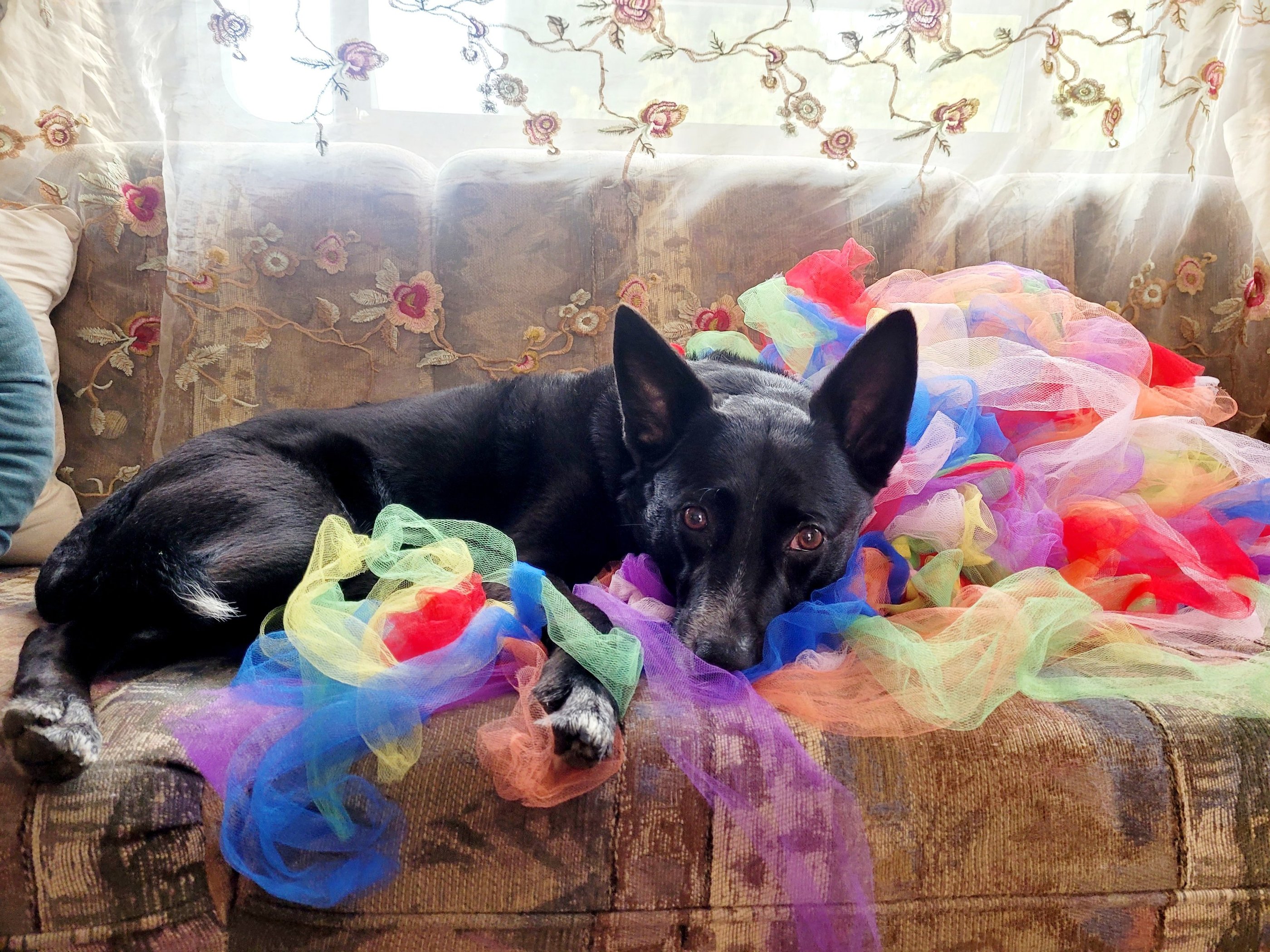
Some of us are lucky enough to have that once-in-a-lifetime, quadruped companion. Mine was Eli.
For over a decade, he was my most loyal friend and the kind of dog you were certain could read your thoughts. But it didn't start that way. In his early years, it became clear his energy, intelligence, and personality would demand more than a conventional approach. Left unchallenged, his gifts turned restless. The torn carpets were proof enough. He needed something different — not discipline for its own sake, but genuine engagement. So I changed my approach entirely. I poured myself into his training, brought him into everything I did, and gave him the stimulation a kelpie of his caliber deserved. He rose to meet every bit of it. He became confident, curious, and remarkably gentle — nurturing to cats, rabbits, birds, and children alike. He was a joy to everyone who knew him, and with him beside me, I was brave.
I moved to London to pursue a Masters, and Eli stayed behind with my parents on their working horse ranch, shadowing them through every project. Never leashed. Always present. The family took to calling him "The General" as he was watchful, steady, and alert to every arrival and departure. It was a quiet testament to how far he had come from the dog who once tore through floors looking for somewhere to put his energy.
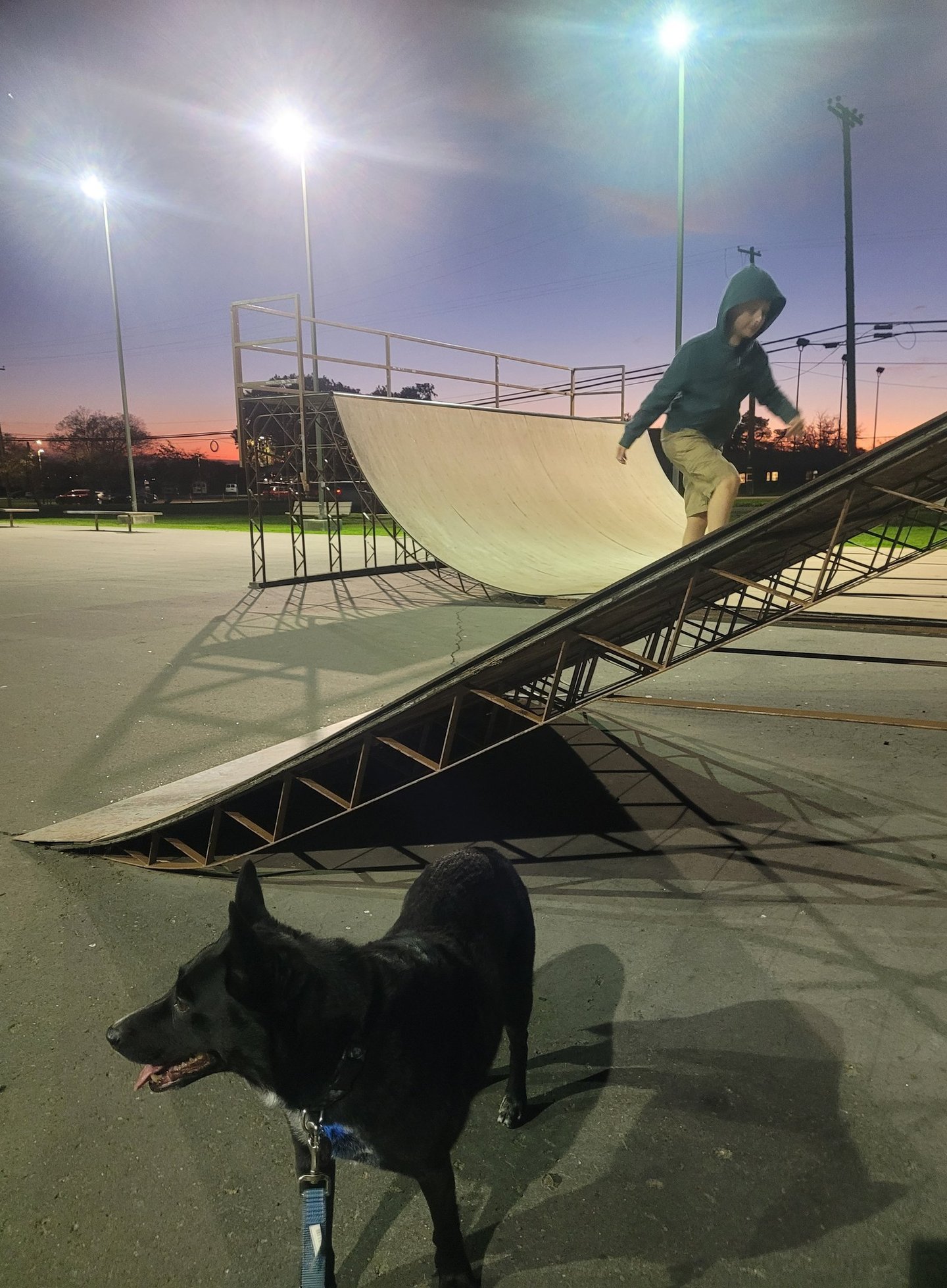
When I returned and began working with children on the autism spectrum at Travis Air Force Base, Eli came with me. One of my clients, John, had a profound fear of dogs, once bolting in terror from one hundreds of yards away. So I brought Eli in slowly, carefully. Over time, John began playing fetch with him and his favorite bowling pin toy, learning the rhythm of throwing and receiving, understanding that Eli would catch every throw and bring it back faithfully to his feet. That reliability and consistency built something: trust, gradually, and then courage. We started exploring the base together, and with Eli beside us, we were brave.
"Eli's not a dog, he's a human," my family used to say, watching him answer us in low, expressive barks as though he had something important to add. They were not wrong...and add to the world, he did.
What Eli showed me — first as a young dog full of restless brilliance, and later in the quiet way he reached a child where conventional approaches had not — is something I carry into every session I teach. Potential doesn't always announce itself. Sometimes it looks like frustration, distraction, or a child that a system has quietly decided is too difficult. But I've learned that it often just needs a different door. That belief isn't abstract for me. I watched it prove itself one bowling pin toss at a time.